
Distinguishing Mania from Excitement | Safe and Sound
In life, euphoria is normal when we feel happy or achieve something. However, when euphoric feelings persist or are accompanied by uncontrolled behavior, it is very likely a sign of mania, a characteristic phase of bipolar disorder. To better understand these two states, this article will analyze and help you differentiate between mania and euphoria, and provide information on how to diagnose and treat mania from the perspective of psychologists and psychiatrists.
Nguyen Hoang Nguyen | Master of Science, Doctor of Medicine - Application of Safe and Sound Mental Health Care, Institute of Applied Medical Technology (IMT)
1. What is mania?
Mania is an extreme emotional state characterized by feelings of euphoria, hyperactivity, and often accompanied by impulsive or dangerous behavior. According to psychiatrists, it is a common symptom in bipolar disorder and can last from a few days to a few weeks.
According to psychologists, people suffering from mania often exhibit the following symptoms:
- Unusual surge of energy, relentless activity.
- A feeling of overconfidence, even delusion, about one's own abilities.
- Speaking quickly, thinking quickly, easily distracted.
- Impulsive behavior, such as overspending or making risky decisions.
- Reduced need for sleep but still feeling alert.
Psychiatrists often emphasize that mania is not simply an emotion but also has a serious impact on a patient's life, including social relationships, work, and overall health.
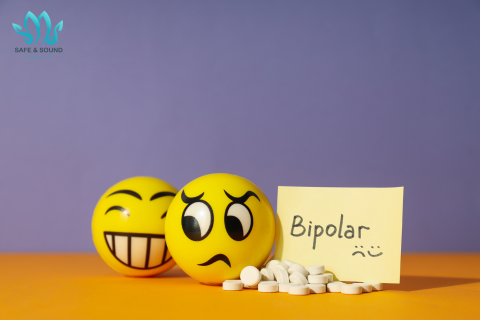
Mania is a characteristic phase of bipolar disorder.
2. The difference between mania and euphoria
Many people confuse mania with euphoria because both involve feelings of happiness and high energy. However, both psychiatrists and psychologists agree that these two states have distinct differences.
2.1. The state of excitement
Excitement is a positive and normal emotional state in life. According to psychologists, it often occurs when you achieve something, participate in favorite activities, or have memorable experiences. Key characteristics of exhilaration:
- There are clear conditions, such as success at work, a joyful event, or positive social interaction.
- It doesn't last very long, usually only a few hours or a day.
- It does not affect cognitive function or the ability to control behavior.
2.2 Mania
Conversely, mania is a pathological state for which psychiatrists and psychologists have yet to find a specific cause. It is one of the characteristic phases of bipolar disorder, alongside the depressive phase. According to psychologists, the main characteristics of mania include:
- Without a clear trigger, the emotional state occurs erratically.
- It lasts from a few days to a few weeks.
- This is accompanied by dangerous behavior or serious consequences, such as excessive spending or loss of control in social relationships.

Mania can be dangerous when participating in extreme sports.
Psychologists and psychiatrists often emphasize that mania requires treatment, while euphoria is simply a normal emotional state.
3. Risks for people with mania
According to psychiatrists, mania not only affects mental health but also poses many potential risks to patients. Psychiatric studies show that, if left untreated, mania can lead to serious consequences such as:
3.1. Impact on social relationships
People experiencing mania often lose control of their communication and behavior, easily leading to conflicts with family, friends, or colleagues. According to psychologists, impulsiveness and delusions can damage long-term relationships.
3.2. Financial Issues
Mania is often accompanied by impulsive spending or investing in unrealistic projects. This can lead to serious financial problems, causing psychological stress and instability in life.
3.3. Risks to physical and mental health
According to psychologists, people with mania are often at risk of substance abuse, chronic insomnia, and nervous tension. These factors not only increase the risk of other mental illnesses but also affect physical health, such as cardiovascular disease or a weakened immune system.
3.4. Dangerous behavior
Mania can lead to reckless behaviors such as drunk driving, engaging in dangerous activities, or even self-harming intentions. Psychologists say this is why treating mania is extremely important.
4. Diagnosis of mania
Diagnosing and treating mania requires close collaboration between psychologists and psychiatrists to ensure optimal effectiveness.
4.1. Clinical Assessment: Psychiatrists will conduct detailed interviews to learn about the symptoms, duration, and impact of mania on the patient's life.
4.2. Using psychological scales Several tools such as the Young Mania Rating Scale (YMRS) or Mood Disorder Questionnaire (MDQ) are commonly used by psychologists to assess the severity of mania.
4.3. Symptom Monitoring According to psychologists, detailed records of a patient's daily emotions and behaviors provide crucial information for the diagnostic process.
5. Treatment of mania
5.1. Use of medication
Emotionally stabilizing medications such as lithium or antipsychotics are often prescribed to control manic symptoms. A psychiatrist will closely monitor the patient to adjust the medication dosage accordingly.
5.2. Psychological therapy
Cognitive behavioral therapy (CBT) is one of the effective methods that helps patients learn how to control their emotions, identify negative thoughts, and perform immediate emotional first aid.

CBT therapy helps people with mania recognize the psychological problems they are experiencing.
5.3. Lifestyle Changes
According to psychologists, healthy lifestyle habits, including getting enough sleep, exercising regularly, and avoiding stress, play a crucial role in maintaining emotional stability.
5.4. Support from family and professional organizations
Families need to be educated to understand and support patients during treatment. This helps minimize the risk of relapse and create a safe environment for the patient.
Safe and Sound Clinic - Family mental and health support
With a team of experienced doctors and specialists, Safe and Sound Clinic is a pioneer in comprehensive healthcare, offering services ranging from medical to psychological care.
"Early preparation - Timely support - Long-term partnership."
.png)
If you suspect you have a mental health problem, or would like more information about our counseling services, please contact our HOTLINE at 0964 778 911 (Phone/Zalo, 24/7) for prompt assistance and answers!
HOW TO SCHEDULE AN APPOINTMENT for online or in-person consultation with a specialist.
- On the SnS Clinic - IMT Institute Fanpage
- Alternatively, download and schedule a consultation on the Safe and Sound app to manage and track your appointments anytime, anywhere.
Safe and Sound - part of the Institute of Applied Medical Technology (IMT)
See more:
What are the signs of bipolar disorder?
